


 नवीनतम
Unseasonal rains damage 2.49 lakh hectares of Rabi Crops: Chouhan
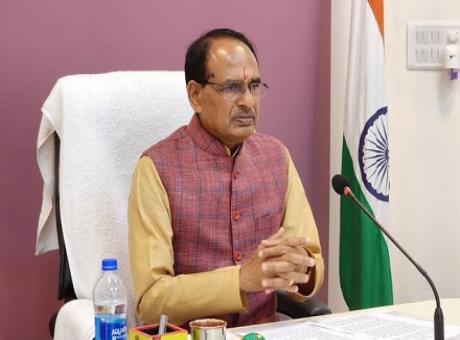
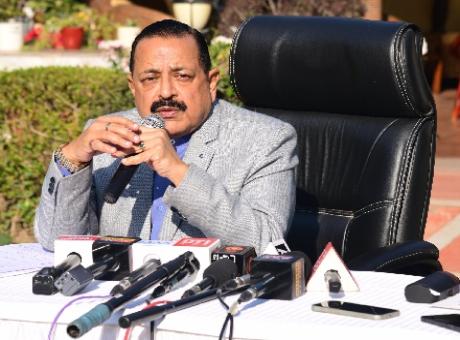
NEW DELHI [Maha Media]: Unseasonal rains and hailstorms have damaged standing rabi crops across 2.49 lakh hectares, with wheat bearing the maximum impact, Union Agriculture Minister Shivraj Singh Chouhan said on Friday.
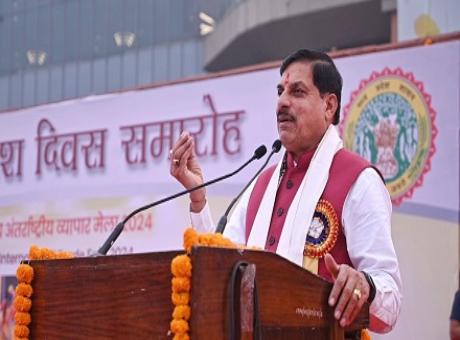
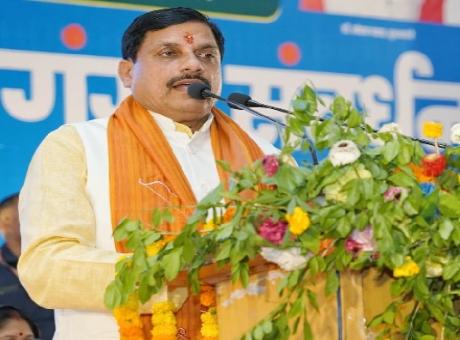
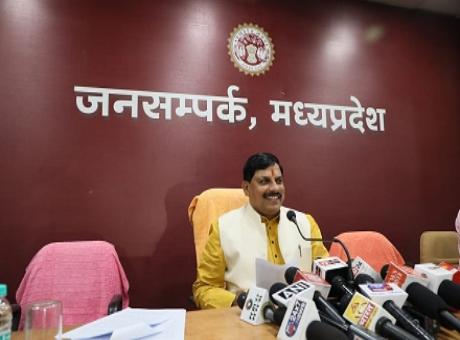
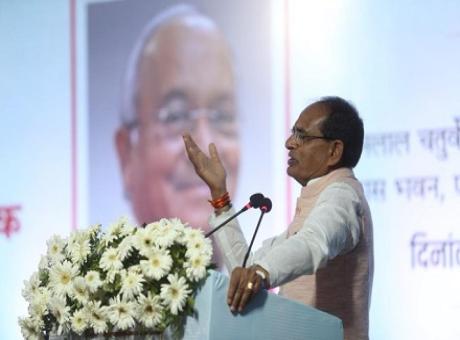
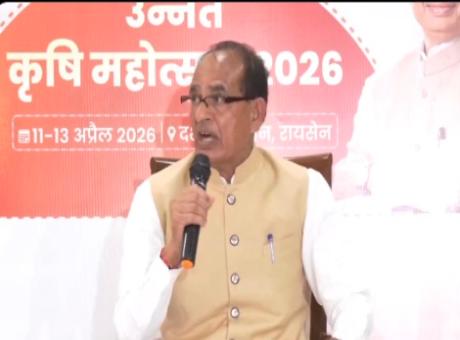
Speaking ahead of the “Unnat Krishi Mela” in Madhya Pradesh’s Raisen district, Chouhan said damage assessments are still ongoing, with three departments engaged in surveying affected areas. Apart from wheat, horticulture crops such as mango and litchi have also suffered losses.
“The Modi government stands firmly with farmers in this crisis,” he said.
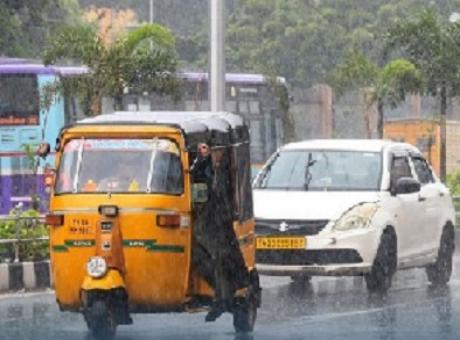
According to the India Meteorological Department, heavy rainfall between April 2 and 8 impacted several regions, including parts of northeast, central, southern and northwestern India. Multiple states experienced hailstorms, thunderstorms and gusty winds, worsening crop damage.
The IMD has also forecast further rainfall between April 9 and 15, driven by western disturbances over Jammu and Kashmir and cyclonic circulations across northern and eastern regions, raising concerns among farmers.
Chouhan said he had already directed officials to review crop losses and coordinate with affected states, and has held discussions with state agriculture ministers.
With the kharif sowing season approaching in June, the government is focusing on ensuring adequate fertiliser supply to protect farmers from global price volatility amid geopolitical tensions in West Asia.
The government has increased the nutrient-based subsidy for phosphatic and potassic fertilisers to Rs 41,534 crore for Kharif 2026, while also working to diversify import sources.
To curb diversion of fertilisers for non-agricultural use, a pilot project using AgriStack-linked farmer identity cards is underway in Haryana and Madhya Pradesh. The initiative is expected to be expanded nationwide, with over 9.29 crore farmer IDs already created.
Chouhan also highlighted efforts to develop state-specific agricultural roadmaps based on agro-climatic zones and expand “Unnat Krishi Melas” to promote modern farming practices.
Emphasising long-term sustainability, he stressed the need for diversification beyond foodgrains into allied sectors to enhance farmer incomes, especially given India’s small average landholding size and dependence on imports for pulses and edible oils.